
Oral Cancer Symptoms, Causes & Prevention: What Patients Should Know
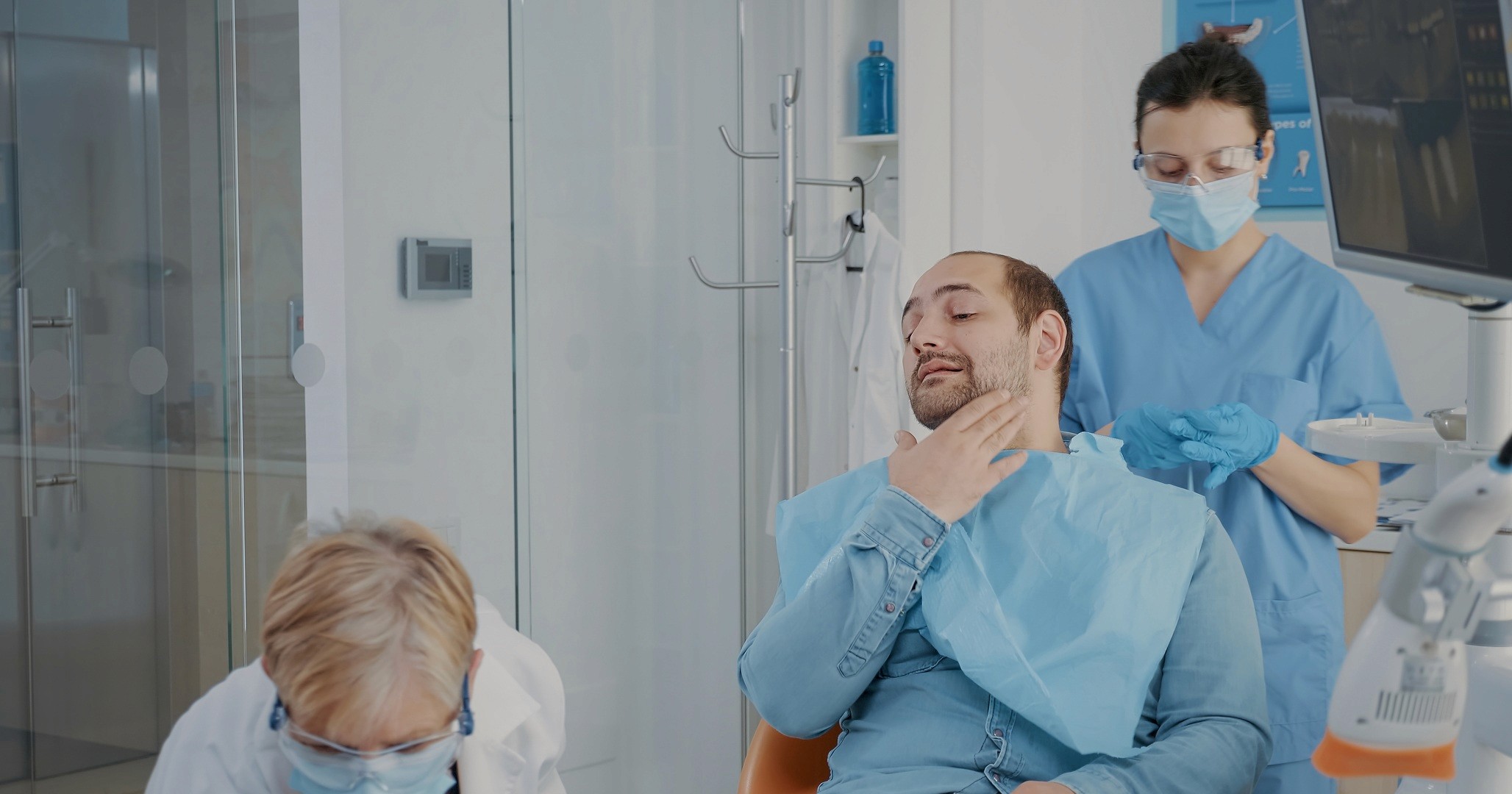
Oral cancer is not something people usually think about until there is pain, a wound, or a visible change inside the mouth. But in many cases, early signs can be small and easy to ignore.
A mouth ulcer that does not heal, a red or white patch, bleeding, a lump, or difficulty swallowing may look like a minor problem at first. But if these symptoms stay for more than two weeks, it is safer to visit a dentist or doctor for a proper checkup.
Oral cancer can affect the lips, tongue, gums, inner cheeks, floor of the mouth, palate, and the back of the throat. According to the National Institute of Dental and Craniofacial Research, oral cancers can develop in the mouth and the back of the throat, including the tongue, gums, tissues lining the mouth, under the tongue, and the throat area behind the mouth.
What Is Oral Cancer?
Oral cancer, also called mouth cancer, is cancer that starts in the tissues of the mouth or oral cavity. It may appear as a sore, patch, lump, swelling, or abnormal tissue change inside the mouth.
It is serious, but early detection can make treatment more effective. That is why regular dental checkups are important, even when there is no major pain.
The World Health Organization notes that oral cancers include cancers of the lips and oral cavity, including the tongue, gums, floor of the mouth, palate, and other parts of the mouth. WHO also reported that oral cancer was the 13th most common cancer worldwide, with 377,713 new cases and 177,757 deaths in 2020.
Early Symptoms of Oral Cancer
Oral cancer symptoms can sometimes look like common dental or mouth problems. The key warning sign is persistence. If something does not heal or keeps coming back, do not ignore it.
Common symptoms may include:
1. A mouth sore that does not heal
A normal ulcer usually improves within a short time. But a sore on the tongue, lips, gums, or inside the cheek that does not heal should be checked.
The CDC lists a sore that does not heal as one of the symptoms of cancers of the oral cavity and pharynx.
2. Red or white patches inside the mouth
White, red, or mixed red-white patches on the tongue, gums, cheeks, or roof of the mouth should not be ignored, especially if they stay for more than two weeks.
3. A lump or thick area in the mouth, lip, or throat
A lump, thick patch, or unusual swelling may be an early warning sign. It may or may not be painful.
4. Bleeding or pain in the mouth
Unexplained bleeding, pain, or tenderness in the mouth can happen for many reasons. But if it continues, a dental checkup is needed.
5. Difficulty chewing, swallowing, or speaking
If chewing, swallowing, speaking, or moving the tongue or jaw becomes difficult, it should be taken seriously.
6. Persistent sore throat or hoarseness
A sore throat, voice change, or feeling that something is stuck in the throat may be linked to problems in the back of the mouth or throat.
7. Numbness in the mouth or tongue
Numbness in the tongue, lips, or any area of the mouth should be checked by a professional.
8. Ear pain without a clear reason
Sometimes oral or throat problems can cause pain that feels like it is coming from the ear.
NIDCR advises seeing a dentist or doctor if symptoms such as a sore, red or white patch, lump in the neck, difficulty chewing or swallowing, jaw or tongue movement difficulty, pain, bleeding, numbness, or ear pain last for more than two weeks.
What Causes Oral Cancer?
Oral cancer does not usually happen because of one single reason. It often develops when risk factors continue over time.
The most common risk factors include tobacco, alcohol, smokeless tobacco products, areca nut, HPV infection, sun exposure for lip cancer, poor nutrition, and age.
Major Risk Factors of Oral Cancer
1. Tobacco use
Smoking cigarettes, pipes, cigars, or using smokeless tobacco can increase the risk of oral cancer. Tobacco exposes mouth tissues to harmful chemicals over a long period.
CDC states that tobacco and alcohol are two of the most common risk factors for cancers of the oral cavity and pharynx.
2. Smokeless tobacco, jarda, gul, and betel quid
This is especially important in South Asian countries. Many people think smokeless tobacco is safer because it is not smoked, but it can still harm the mouth.
WHO says tobacco smoking and alcohol are major drivers of oral cancer in many countries, while smokeless tobacco and areca nut products are the top causes in South and South-East Asia and the Western Pacific islands.
3. Alcohol consumption
Heavy alcohol use can increase oral cancer risk. The risk becomes higher when alcohol and tobacco are used together.
4. HPV infection
Human papillomavirus, especially HPV-16, has been linked with cancers in the back of the mouth and throat. NIDCR notes that HPV-16 infection has been linked to oral cancers, and CDC says some cancers in the back of the tongue and upper throat may be caused by HPV infection.
5. Long-term sun exposure
Cancer of the lip can be linked with long-term sun exposure. People who work outdoors for long hours should be careful about lip protection.
6. Poor diet
A diet low in fruits and vegetables may increase risk. NIDCR lists poor nutrition, especially a diet low in fruits and vegetables, as a risk factor linked with oral cancer.
7. Age and gender
Oral cancer is more common after the age of 40. NIDCR also notes that oral cancer affects men more than women.
Why Early Detection Matters
Early detection is one of the most important parts of oral cancer care. Many people delay visiting a dentist because the symptom does not feel serious at first.
But oral cancer can spread quickly. A regular dental checkup gives the dentist a chance to examine the lips, cheeks, gums, tongue, floor of the mouth, throat area, and neck.
NIDCR explains that an oral cancer examination can detect early signs of cancer, is painless, takes only a few minutes, and can be done during a regular dental checkup.
How Dentists Check for Oral Cancer Signs
During an oral checkup, the dentist may:
Look inside your mouth for sores, patches, swelling, or unusual tissue changes
Check your tongue, gums, cheeks, palate, and floor of the mouth
Examine the lips and throat area
Feel the neck and jaw area for lumps or swelling
Ask about tobacco, betel nut, alcohol, symptoms, and medical history
Refer you to a specialist if anything suspicious is found
A dentist does not diagnose cancer just by looking. If something looks unusual, further tests or specialist evaluation may be needed.
How to Reduce the Risk of Oral Cancer
You cannot control every risk factor, but you can reduce many of the major ones.
1. Avoid tobacco
This includes smoking and smokeless tobacco. Quitting tobacco is one of the most important steps for oral cancer prevention.
2. Avoid betel nut and tobacco-mixed chewing products
Betel quid, areca nut, jarda, gul, and similar habits can damage oral tissues over time. Reducing and stopping these habits can lower risk.
3. Limit alcohol
Alcohol can increase oral cancer risk, especially when combined with tobacco.
4. Maintain regular dental checkups
A dentist can notice changes that patients may miss. Regular dental visits are important for both oral health and early detection.
CDC recommends visiting doctors and dentists regularly, noting that cancers detected at earlier stages have better survival rates.
5. Eat a balanced diet
A diet with fruits, vegetables, and proper nutrition supports better oral and general health.
6. Ask a doctor about HPV vaccination
HPV vaccination can help prevent new infections with certain HPV types linked to oropharyngeal cancers. CDC recommends speaking with a doctor about HPV vaccination for prevention.
7. Protect your lips from long sun exposure
If you work outdoors, use physical protection such as shade, a hat, or lip protection when needed.
When Should You Visit a Dentist?
You should book a dental checkup if you notice:
A mouth ulcer that does not heal
A red or white patch inside the mouth
Bleeding without a clear reason
A lump in the mouth, jaw, or neck
Pain in the mouth or throat
Difficulty chewing or swallowing
Numbness in the mouth or tongue
Loose teeth without clear dental cause
Long-term irritation from dentures or sharp teeth
Do not wait for severe pain. Many oral health problems are easier to manage when found early.
Oral Cancer and Regular Dental Care
Many patients visit a dental clinic only when they have tooth pain. But dental care is not only about cavities, scaling, or tooth extraction.
A proper dental checkup also helps identify gum disease, infections, oral lesions, bite issues, and unusual tissue changes. This is why choosing a reliable dental hospital or dentist matters.
For patients in Dhaka, regular oral checkups can be a practical step toward better prevention and early detection.
Book an Oral Checkup at Crescent Dental
If you have a mouth sore, patch, swelling, bleeding, or any unusual oral symptom that is not healing, do not ignore it.
Crescent Dental provides dental, maxillofacial, and orthodontic services in Mirpur, Dhaka. You can book an appointment for a dental checkup and oral health consultation.
Call for appointment:
029003709
01714245369
Location:
Plot #01, Avenue #1, Block #B, Section-10, Mirpur, Dhaka
Final Thoughts
Oral cancer is serious, but awareness can make a big difference. The most important thing is to notice changes early and take action.
If a sore, patch, lump, bleeding, pain, or swallowing problem lasts more than two weeks, visit a dentist or doctor. A short checkup can help you understand whether it is a simple oral problem or something that needs further attention.
Your mouth often shows early signs before a condition becomes serious. Listen to those signs.
FAQs About Oral Cancer
What is the first sign of oral cancer?
A non-healing mouth sore, red or white patch, lump, pain, bleeding, or difficulty swallowing can be an early warning sign. Any symptom lasting more than two weeks should be checked.
Can oral cancer be painful?
Sometimes it can be painful, but not always. Some early signs may appear without severe pain.
Is every mouth ulcer cancer?
No. Most mouth ulcers are not cancer. But if an ulcer does not heal within two weeks, it is better to visit a dentist or doctor.
Can dentists detect oral cancer?
Dentists can check for early warning signs during an oral examination. If they find anything unusual, they may refer the patient for further tests or specialist evaluationc.
Who is at higher risk of oral cancer?
People who use tobacco, smokeless tobacco, betel nut, alcohol, or have HPV-related risk may have higher risk. Age, poor nutrition, and long sun exposure for lip cancer can also be factors.
How can I prevent oral cancer?
Avoid tobacco, avoid betel nut and smokeless tobacco products, limit alcohol, maintain regular dental checkups, eat a balanced diet, and speak with a doctor about HPV vaccination.
Share on:
Book Your Dental Visit With Crescent Dental
Choose a time, share your concern, and Crescent Dental will guide your visit with care.

Contact us

Email us
© Copyright Crescent Dental, Maxillofacial & Orthodontic Services
Built with 💚 by Flowfye.